Guide
Creating Your Ideal Sleep Sanctuary: Design for Deeper Rest
Your bedroom environment plays a meaningful role in how easily you fall asleep and how well you rest through the night. This guide offers practical, actionable tips for optimizing lighting, temperature, noise, and overall bedroom atmosphere.
Last reviewed · Published by Essential Systems
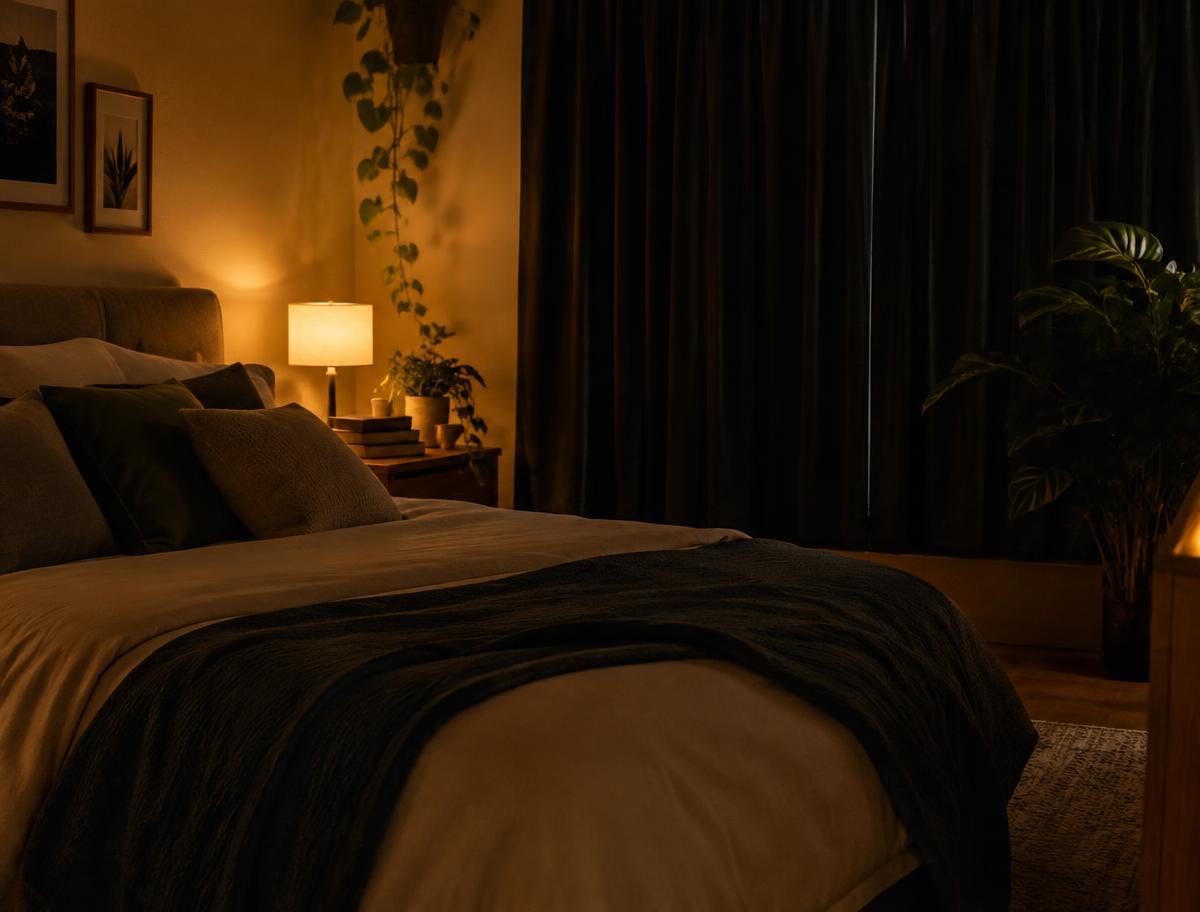
Temperature: Keeping the Room Cool
A cooler bedroom is generally considered more conducive to sleep than a warm one. Breathable bedding, moisture-wicking sheets, and good airflow can all help regulate temperature through the night.
Lighting for Better Sleep
- Use blackout curtains or shades to limit outside light, especially in early morning or evening hours.
- Dim lights in the hour or two before bed to help signal wind-down time.
- Consider a small nightlight if you need to navigate the room at night without bright overhead lighting.
Managing Noise
Unwanted noise can disrupt both falling asleep and staying asleep. A white noise machine, fan, or soft rugs and curtains that absorb sound can all help create a quieter environment.
Choosing Calming Colors and Decor
Soft, muted color palettes (cool blues, greens, and neutral tones) are often associated with a more relaxing atmosphere, while cluttered or visually busy spaces can make it harder to unwind.
The Role of Your Mattress and Bedding
Comfortable, well-maintained bedding and a supportive mattress are foundational to a restful bedroom. See our bedding and linens guide for material options that suit your climate and comfort preferences.
Reducing Bedroom Clutter
- Keep electronics and work materials out of the bedroom where possible.
- Use storage furniture to keep surfaces clear and the room feeling calm.
- Reserve the bedroom primarily for sleep and relaxation to strengthen that mental association.
Frequently asked questions
Build Your Sleep Sanctuary
Explore bedding and linens that support a calmer, more comfortable bedroom.
Shop Linens