Guide
How to Care for Your Mattress and Extend Its Life
Routine mattress care, from using a protector to rotating it periodically, can help maintain comfort and support over the years you own it. This guide covers the key habits that support mattress longevity and hygiene.
Last reviewed · Published by Essential Systems
Use a Mattress Protector
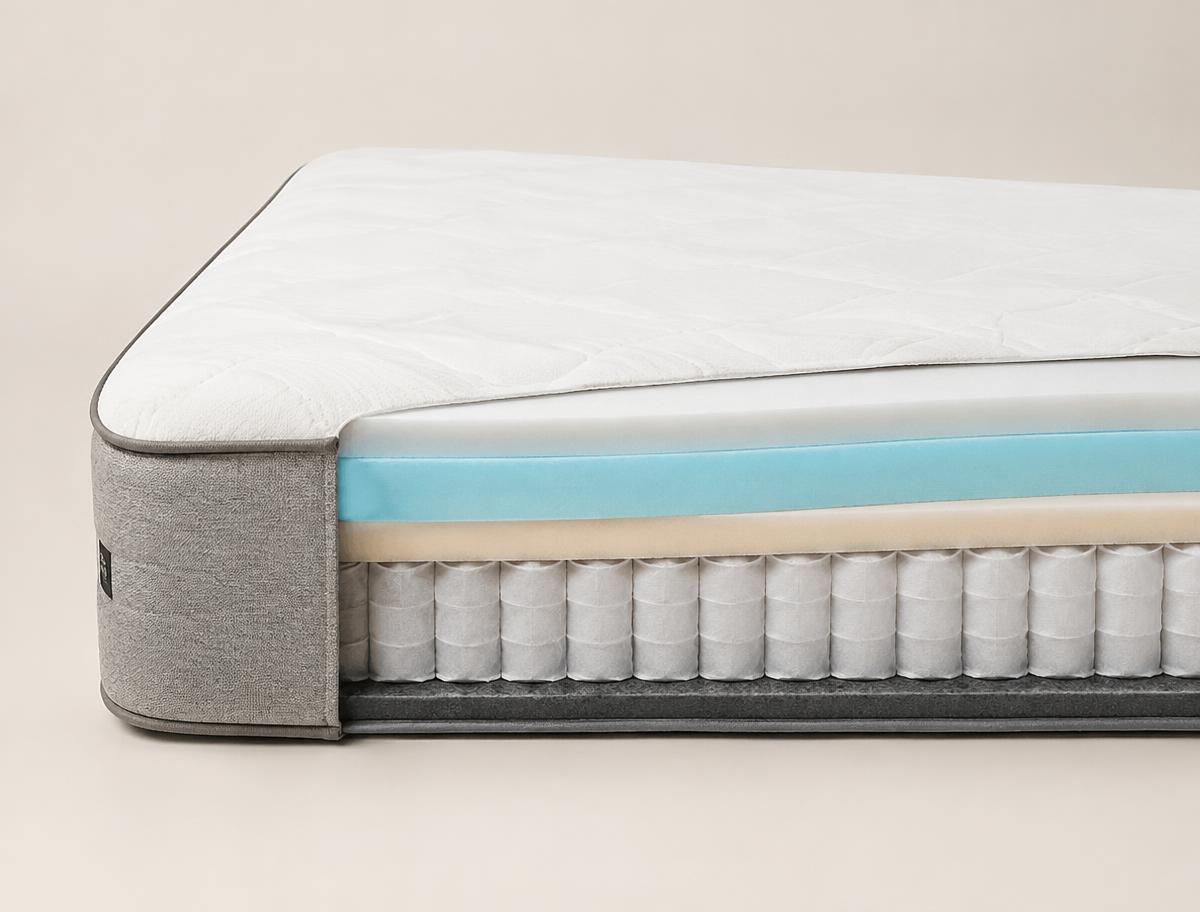
A breathable mattress protector helps guard against spills, dust, and everyday wear, and many warranties specifically recommend one. Look for a protector that fits snugly and is machine washable for easy maintenance.
Rotate (and Flip, If Applicable)
- Most mattresses benefit from rotating head-to-foot every few months to promote even wear.
- Check your specific mattress’s care instructions — some models are designed to be one-sided and should not be flipped.
- Even wear can help reduce the likelihood of premature sagging in commonly used areas.
Cleaning Spills and Stains
Blot spills immediately with a clean, absorbent cloth rather than rubbing, which can push liquid deeper into the material. For general cleaning, a mild solution of water and gentle detergent applied sparingly, followed by thorough air drying, is typically recommended — always check your mattress’s specific care instructions first.
Airing Out and Odor Prevention
- Let a new mattress air out in a ventilated room, since some initial off-gassing odor is normal with foam products.
- Strip bedding periodically and let the mattress breathe for a few hours before remaking the bed.
- Keep the bedroom well-ventilated to help reduce moisture buildup over time.
Supporting Your Mattress Properly
A mattress performs best on a supportive, compatible foundation or frame. Inadequate support, such as slats spaced too far apart, can contribute to sagging or voided warranty coverage, so check manufacturer guidance on frame compatibility.
Signs It May Be Time for a New Mattress
- Visible sagging or indentations that don’t smooth out.
- Waking up with new aches or stiffness that weren’t there before.
- The mattress is well past the manufacturer’s expected lifespan.
Frequently asked questions
Questions About Mattress Care?
Reach out to our team for guidance specific to your mattress.
Contact Us